
On February 8th 2026, we finished the final show for In the Next Room (The Vibrator Play) by Sara Ruhl at the Schenectady Civic Playhouse. This was my second play after Eclipsed by Dani Gurira with the Black Theater Troupe of Upstate, NY.
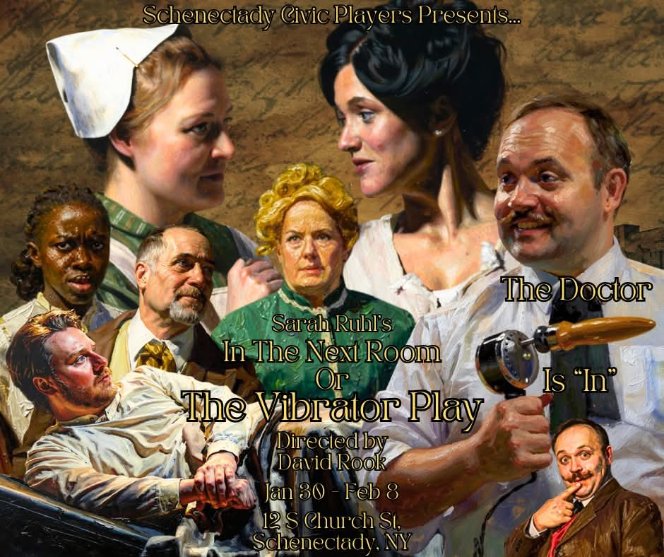
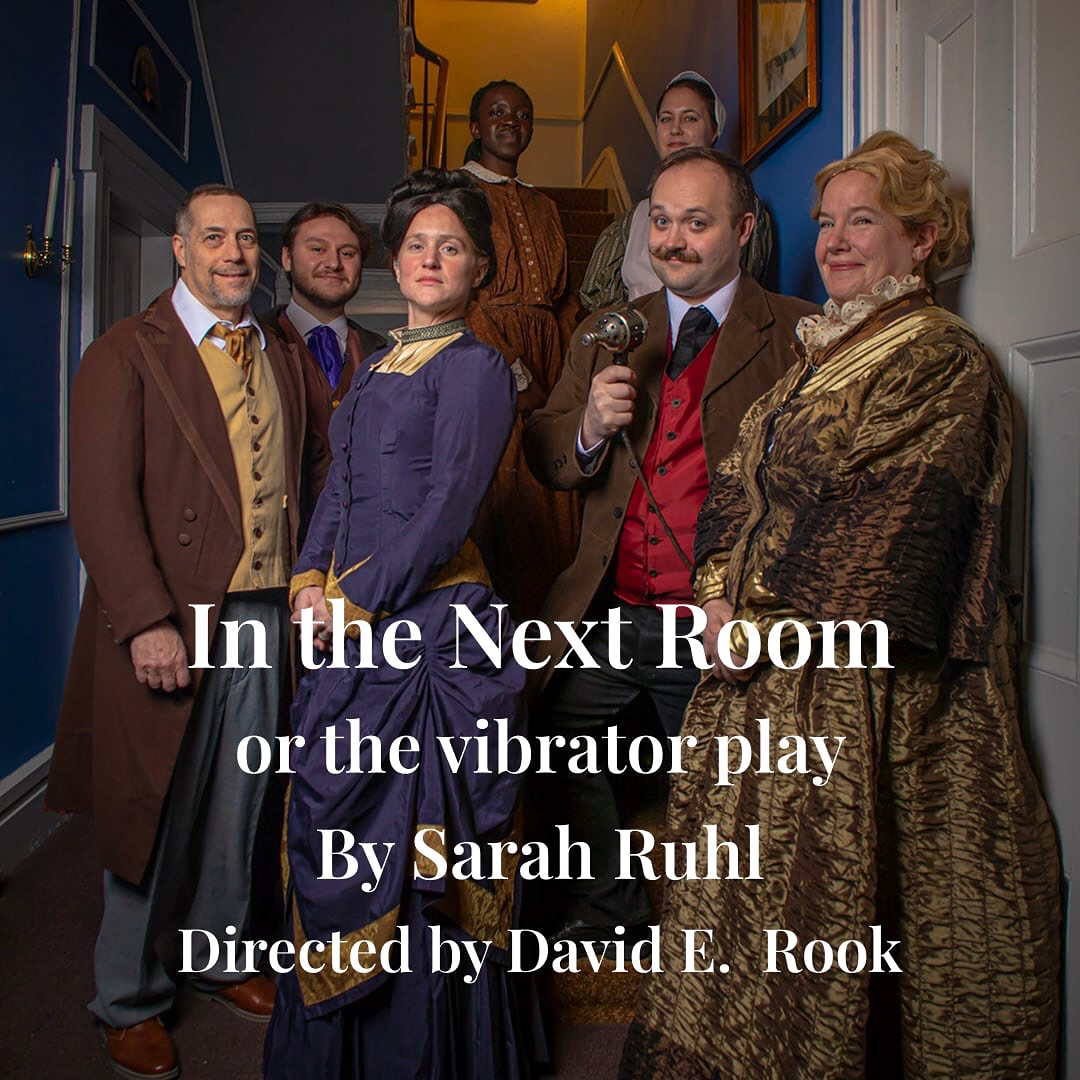

Set in Upstate NY during the late 1800s, this play centers around Dr. Givings and Mrs. Givings. If you know anything about Upstate NY during this timeframe, it was the age of electricity and innovation, most notably at General Electric, founded by Thomas Edison in 1892 and headquartered in Schenectady, NY. In the play, Dr. Givings, alongside his assistant, Annie, develop a new invention, the vibrator, that he is using to treat women with hysteria. Meanwhile, Mrs. Givings recently had a baby, Lottie, but is unable to breastfeed. One of the patients, Mrs. Daldry, and her husband recommend their housekeeper, Elizabeth (my character), as a wet nurse because the child recently passed away and she is still lactating. As Elizabeth and Lottie continue to bond, it becomes apparent that Mrs. Givings is struggling with the lack of connection to her own child; what’s more, she is both curious and perplexed about what is happening in her husband’s clinic over in the next room as he treats women and, on the rare occasion, men.
Before I spoil this play by writing more than I should, I will stop here on the plot and discuss some things that I took away from this experience, in addition to some of my reflections and my closely guarded actor’s secret.
When I first started there were things I noticed right away. After you go from a cast and crew of predominantly black women to being the only black person in both the cast and crew, you can be left wondering what you got yourself into. There are definitely bigger questions about diversity in the theater space, but I don’t think I have the experience or examples to dive into that fully. However, even a novice like me sure as heck knows that something needs to change. The first few sessions felt a little uneasy as we were warming up to working together, at least I felt that way. In reflection, it was not exclusively a “lack of diversity” unease, or anything to do with everyone else; honestly, I think it had more to do with what I expected we would do to address some of the elephants in the room when it came to the subject matter. I grew up in a very conservative country/culture. This is a play that involved women orgasming and then some on stage in addition to tackling head-on issues of pain, grief, accountability, pleasure, and partnership. Try at your own peril to discuss this with African parents lol.
Since I’ve only had one previous acting experience, I’ll can tell you that I really struggled on this one. The beginning was especially brutal. Despite the brave face, I was really wrestling with myself on whether I was doing the right thing. Sometimes I would stand in the shower and look for the grief in my body. I would feel it deep in my chest, and like someone kicked me in the stomach, then there was a rise in emotion that travelled through my throat and lingered in my eyes. “There! That’s it.” I would think to myself before shaking it off and snapping back to what could only then be described as a numbing existence. Also, a major growing pain was realizing that I have a lot more work to do if I wanna keep acting, because there is so much I don’t know. The “Theater Kid” trope is real: it comes with references to niche shows I’ve never heard of, and backstage jokes that needed explaining, reference points, and performances of people I’ve never heard of.
This leads me to where I think I begun to feel more comfortable and hope that more sets adopt this even if the content has no explicit intimacy, working with an intimacy coordinator. You don’t know how much consent and respect mean to you until you start talking about it with your colleagues, and how critical it is to have these necessary conversations around boundaries and comfort to avoid not just harassment but microaggressions. I appreciate how this element desexualizes the interactions between performers, which the audience may interpret in one way; however, for the actors, it is well discussed and highly choreographed.
If you were wondering wether I compared this production to the last one. I did that for some time, until I realized it was a very unhelpful way of going about this progress. When I stopped doing that, I was more open to receiving from my colleagues, and they were, in turn, very generous and supportive. An example I would like to highlight was time spent with the costume designer, Beth Ruman. A veteran in the community theater circles around the Capital District, Beth is a soft-spoken and kind lady. When I went to my first fitting sometime before the new year, we had a conversation about how I was feeling about the subject matter. I think it was the first time I really voiced the gravity of this play to me personally. One of the ways I connected as Elizabeth was through the costuming. I actually think that once we started settling on the costumes, it was easier to connect my shower feelings to potential stage ones.
In Act I, I wore a brown dress that looked like it came out of the old show, Little House on the Prairie, it which was heavy, and quite dull. There were discussions around wearing this for the whole play, but Beth decided to give me a more uplifting makeover. In Act II, I wore a beautiful white blouse and a brown skirt. Initially, it was blue (and you will see that in some pictures), but the brown was a nice motif to keep going. The blouse was an original from the early 1900s, I was told, which makes sense given how fragile it was. I think it lightened me up quite a bit and made it easy to be happy as my character was bonding with the baby. Perhaps the most subtle but brilliant decision Beth and I made was using a cloak to conjure an additional character, the ghost of Henry Douglas, my character’s dead child. That, ladies and gents, was my actor’s secret for this show.
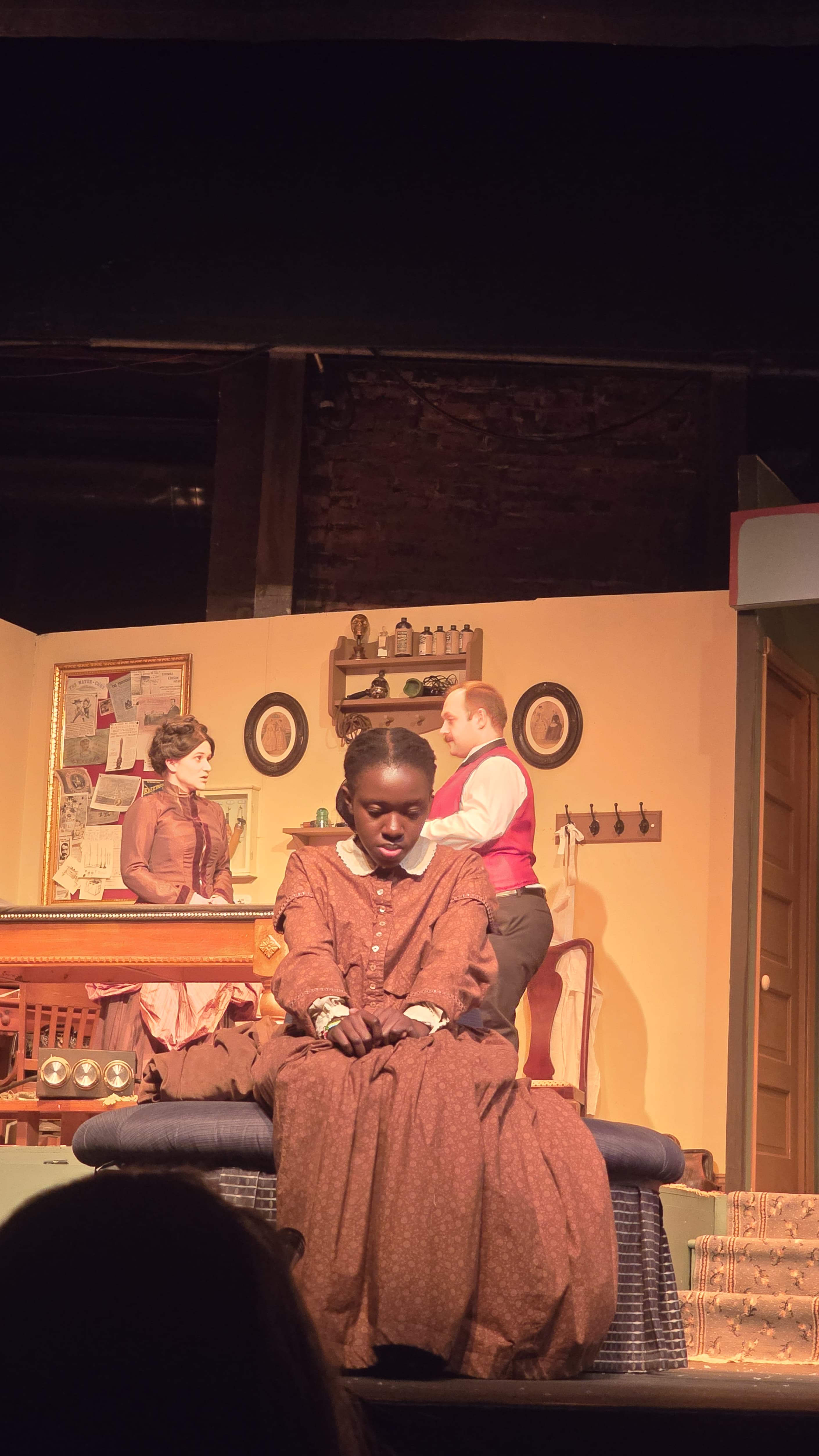
In Act I, I wore this brown dress. You can see the cloak beside me on the chair. Behind me are Dr. Givings (Evan J.) and Mrs Daldry (Meghan R.). 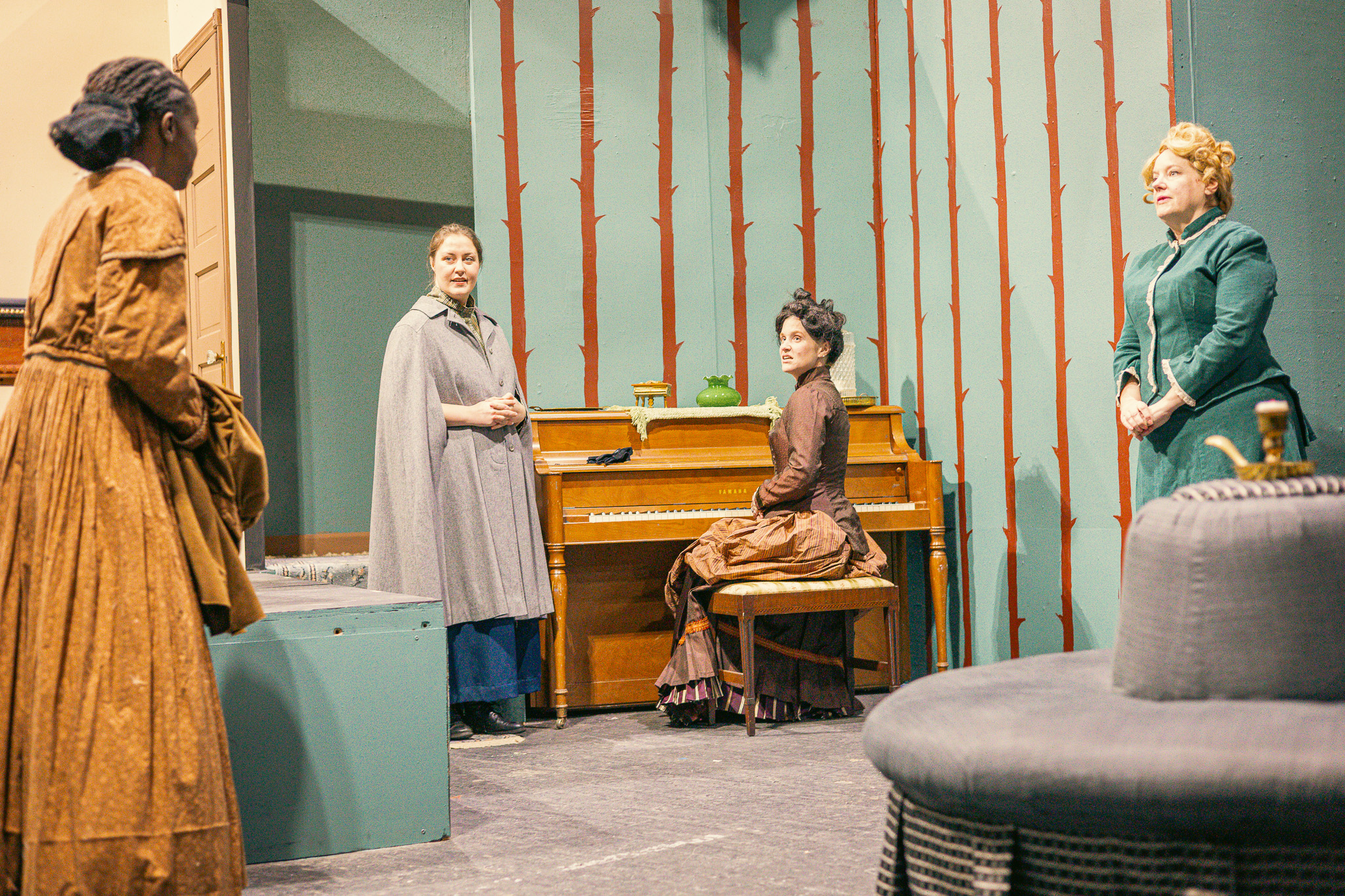
Still in Act I. Also in this picture are Annie (Sarah G.) and Mrs. Daldry (Megan R.). 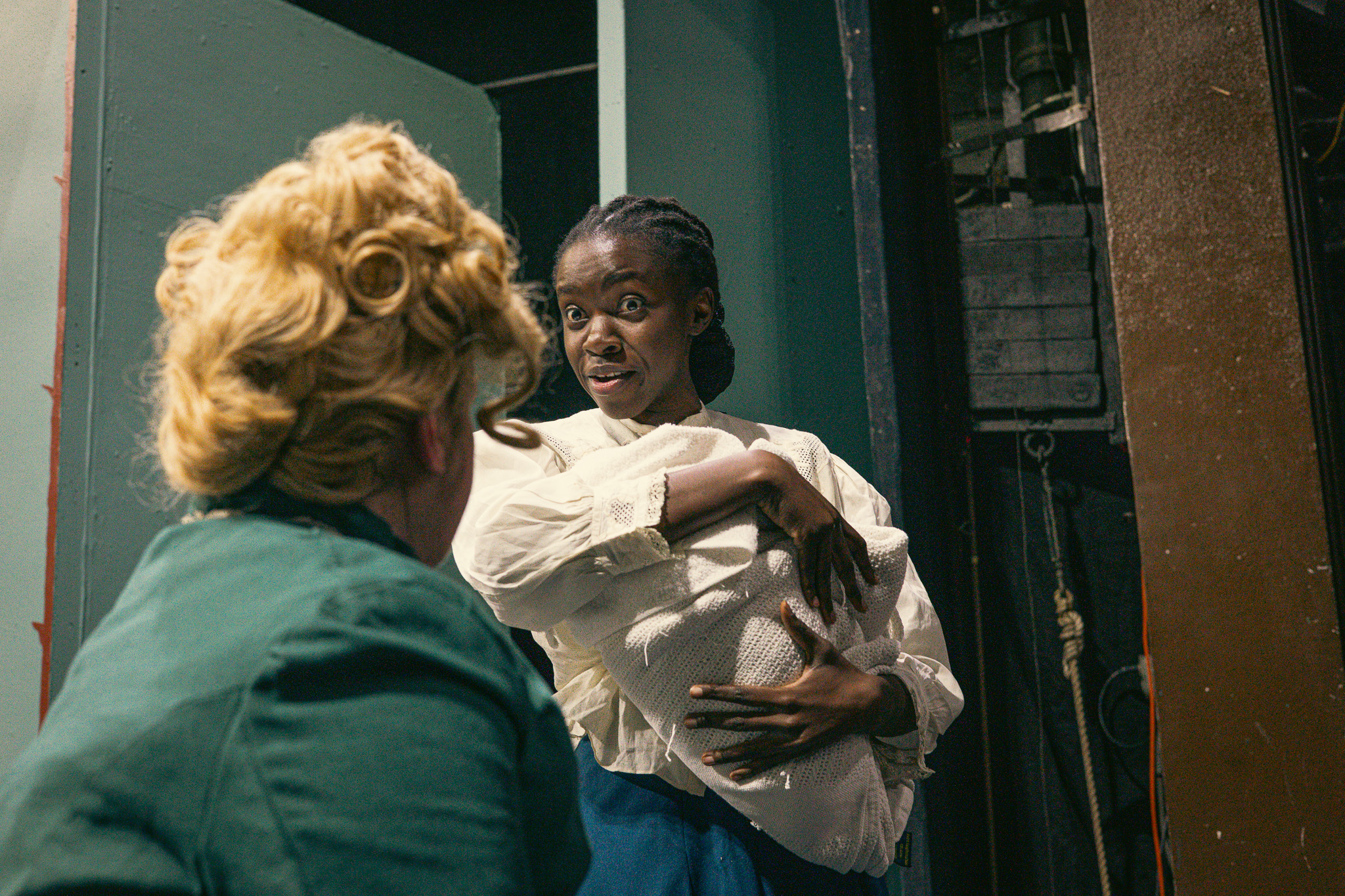
In Act 2, I wore a much brighter outfit. The Indication of an improved mood. While holding the baby, I did not have the cloak. Featured in this scene was Mrs. Givings (Amy H.) 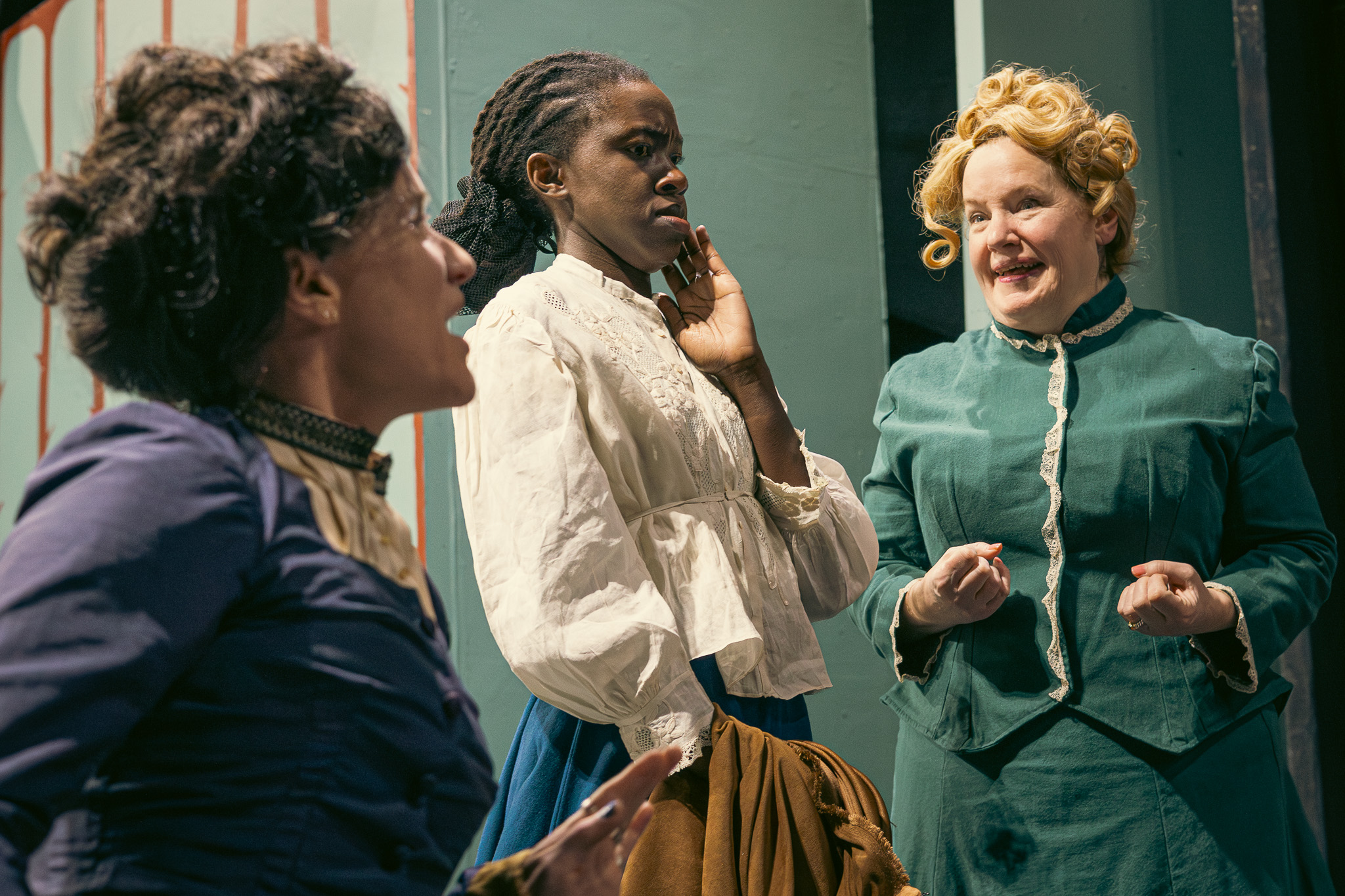
In Act 2, Scene 2 I was chatting with the ladies. Featured are Mrs. Daldry (Megan R.) and Mrs. Givings (Amy H.) 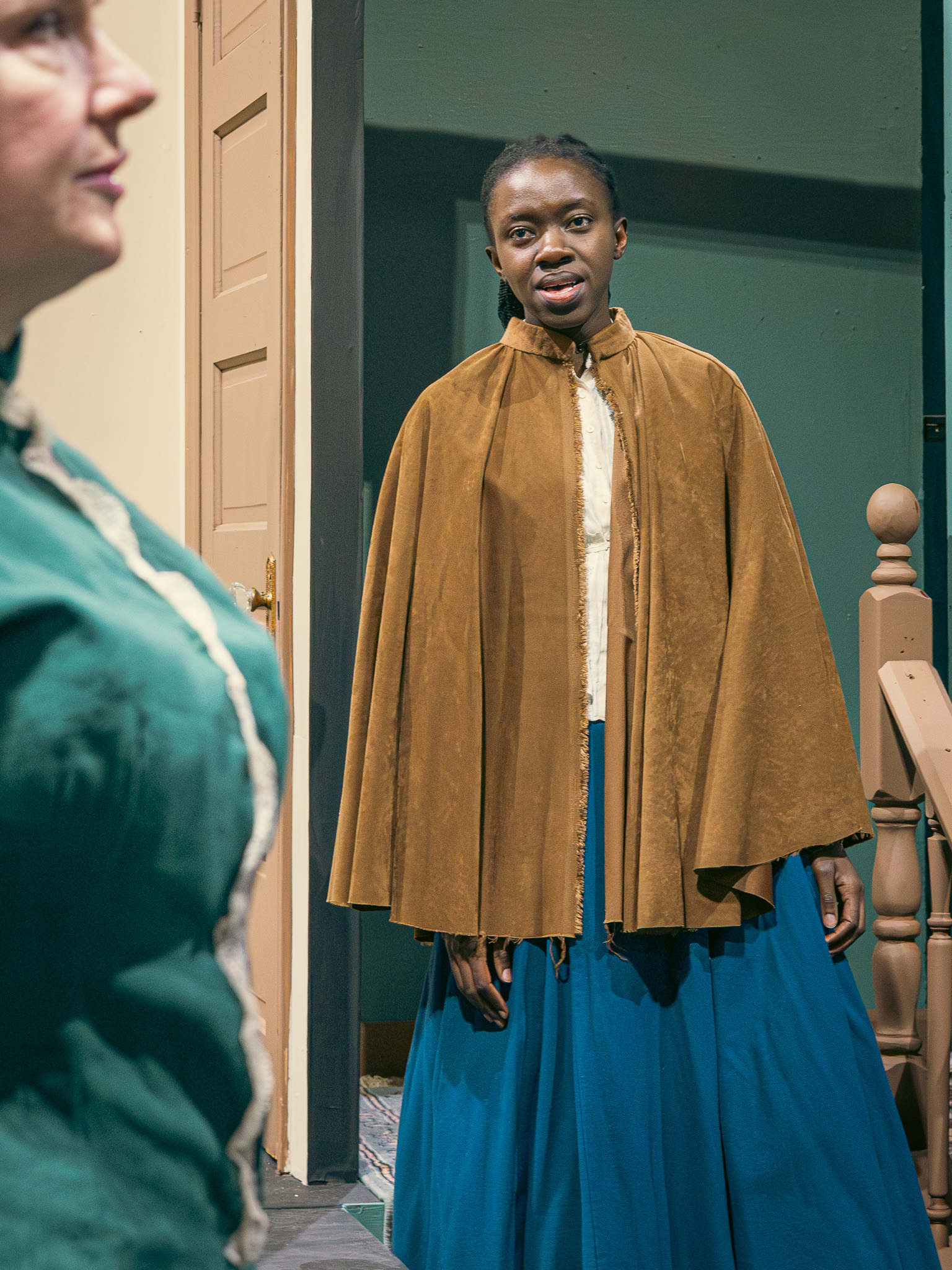
In Act 2, Scene 2. I finally wore the cloak while delivering the monologue. Featured here is Mrs. Giving (Amy H.) 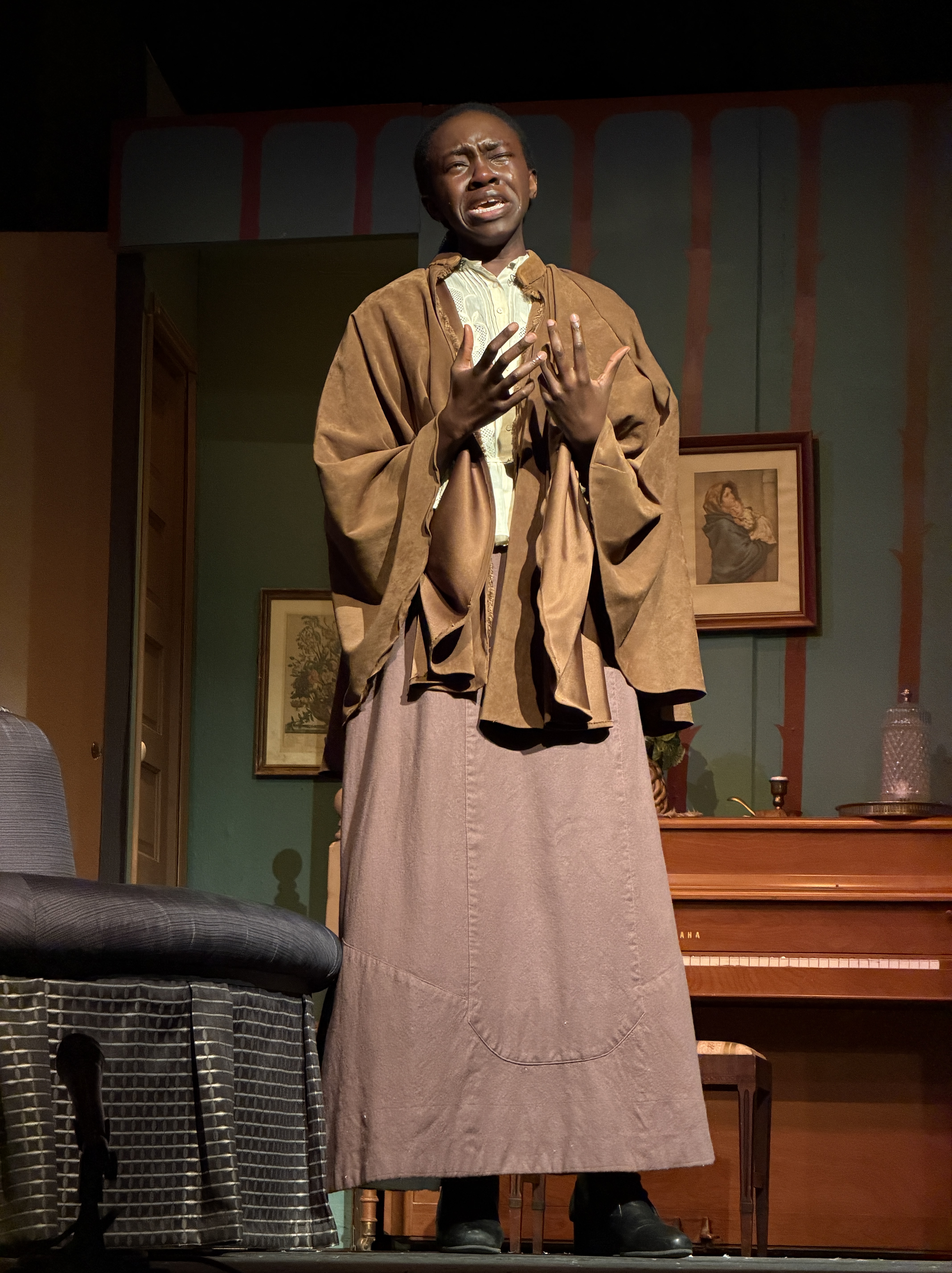
In Act II, I delivered this powerful monologue that brought me to tears in all the shows. I guess my shower emotions found somewhere to go.
In the first Act, I just held it. There is one moment, when I first meet Lottie where I sit and put the cloak on the chair and have it beside me. In that first picture, it is the only time I have both the cloak and the baby together. I envisioned both of them meeting, and almost like Henry giving Lottie his blessing to have the milk. There is another scene in Act II when all the characters are on stage at the same time, and Mrs. Daldy has to put on a Mackintosh (it’s like an old school cloak) because it’s snowing outside. Since I was holding my own cloak and did not venture to put it on, I thought more keen eyes would notice, but everyone I debriefed with didn’t catch it until later. Therefore, it was really impactful that the only time I actually wore the cloak was at the end when I gave this powerful, tear-jerking monologue. To me, that was acceptance. That’s what it means to put on your grief and decide that life is worth living and that love can inspire us to do just that, live.
I’m really thankful to have played Elizabeth in this show. This past year, I have had to process my own grief and loss of so many things and people that were important to me. The beauty lies in recognizing that we are just passing through this thing called life. The reality is, we own nothing; we are simply stewards of the things that belong to God. I believe in this season of my life, that is something I need to be reminded of.
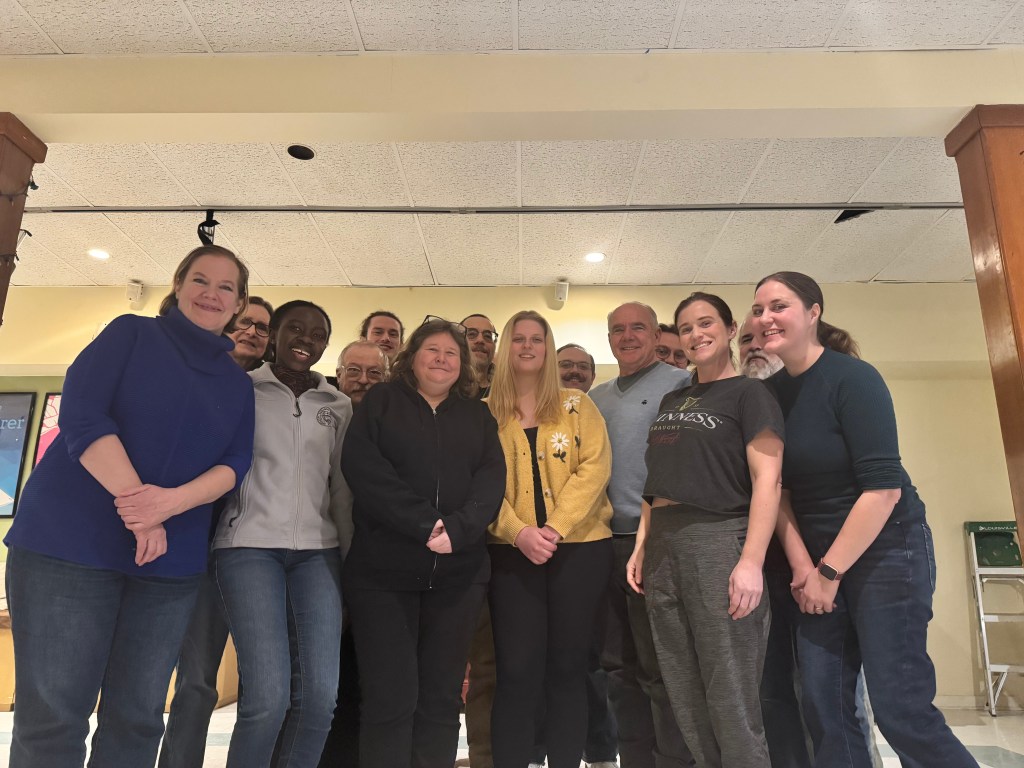
I would like to extend my thanks to the Director, David Rook. He really encouraged me throughout the process and trusted me to express myself through this character. Additionally, I’m so grateful to the incredible cast and crew that tirelessly worked on this show. I have a lot of respect for everyone and look forward to collaborating with them in some way in the future.
As always, I would like to thank my INCREDIBLE Village, that came through and supported me for this show. I don’t think you understand how much it means to me, especially in this season of my life, to walk out there after the show and see people that I love. Thank you! ❤️
So you may be thinking, “What is she working on next?” I’m not yet sure. I’ll think about it. One thing I need to do, though, is read more plays and go to more performances. I think I need some inspiration.
My offering for this post, a video from the playwright, Sarah Ruhl, talking about the play and some featured scenes from the Lincoln Center Theater.
Thanks for reading!
Until next time,
Zilpa
 Villager'z Paradise
Leave a comment